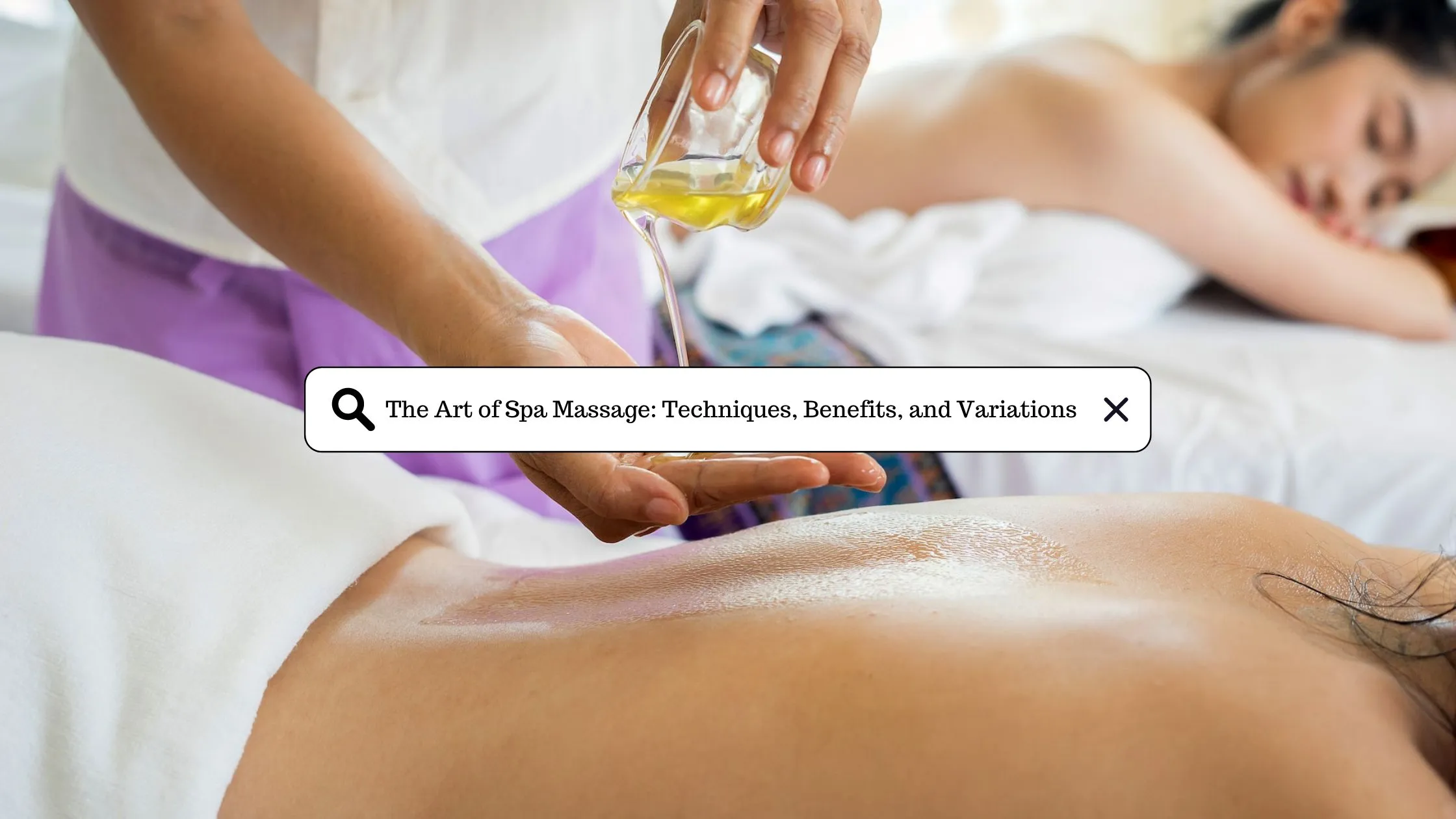
The Art of Spa Massage: Techniques, Benefits, and Variations
In today’s fast-paced and stressful world, finding moments of relaxation and rejuvenation is crucial for maintaining a healthy balance in life. One of the most effective ways to achieve this is through spa massage, a therapeutic technique that combines the healing power of touch with luxurious spa environments. In this blog post, we will delve into the art of spa massage, exploring various techniques, the benefits they offer, and the different variations available to suit individual preferences.
Massage has been practised for centuries and has evolved into a refined and specialized form of therapy. Spa massage, in particular, focuses on providing a holistic experience that nurtures both the body and the mind. By understanding the techniques, benefits, and variations of spa massage, you can make informed choices and fully enjoy the advantages it offers.
Understanding Spa Massage Techniques
Spa massage techniques are carefully designed to provide relaxation, promote circulation, relieve muscle tension, and enhance overall well-being. Each technique employs different strokes, pressures, and movements to target specific areas of the body and address individual needs.
Let’s explore some of the most popular spa massage techniques:
Swedish Massage
Swedish massage is one of the most well-known and widely practised massage techniques in the world. It forms the foundation for many other massage styles and is often the go-to choice for individuals seeking relaxation and stress relief.
Here are some key aspects of Swedish massage:
Techniques
Swedish massage involves a variety of techniques aimed at relaxing the body and improving circulation. These techniques include:
- Effleurage: Long, gliding strokes that provide a soothing and relaxing sensation.
- Petrissage: Kneading and squeezing motions that help to release muscle tension and improve blood flow.
- Friction: Deep, circular motions that target specific muscle knots and adhesions.
- Tapotement: Rhythmic tapping, cupping, and hacking movements that invigorate the muscles.
- Vibration: Fine, rapid shaking or trembling motions applied to certain areas for relaxation.
Benefits
Swedish massage offers numerous benefits for the body and mind, including:
- Relaxation: The gentle and flowing strokes induce deep relaxation and help to reduce stress and anxiety.
- Improved Circulation: The massage movements stimulate blood flow, which aids in the delivery of oxygen and nutrients to the muscles and organs.
- Muscle Tension Relief: Kneading and friction techniques target muscle knots and tightness, promoting pain relief and muscle relaxation.
- Enhanced Flexibility: Stretching motions during the massage can increase flexibility and range of motion.
- Detoxification: The increased circulation and lymphatic flow can assist in eliminating toxins from the body.
Adaptability
Swedish massage can be customized to meet individual needs. The pressure and intensity of the massage can be adjusted according to personal preference, ensuring a comfortable and enjoyable experience for each individual.
Deep Tissue Massage
Deep tissue massage is a massage technique that focuses on targeting the deeper layers of muscles and connective tissues in the body. It uses firm pressure and slow strokes to alleviate chronic muscle tension and address specific areas of pain or discomfort.
Here are the key points about deep tissue massage:
Technique
Deep tissue massage employs slow, deliberate strokes and concentrated pressure on specific areas of the body. The therapist may use their fingers, hands, forearms, or elbows to apply pressure and work on deeper muscle layers.
Benefits
Deep tissue massage offers several benefits, including:
- Pain Relief: The focused pressure helps to relieve chronic muscle pain and tension, including areas affected by injuries or repetitive strain.
- Muscle Rehabilitation: It can assist in the recovery and rehabilitation of injured muscles by breaking up scar tissue and promoting proper healing.
- Improved Posture: By releasing tension and tightness in muscles, deep tissue massage can help correct imbalances and improve posture.
- Stress Reduction: Deep tissue massage promotes relaxation and reduces stress levels, benefiting both the body and mind.
Communication and Sensation
Open communication with the massage therapist is essential during a deep-tissue massage. Since deeper pressure is applied, it’s important to provide feedback on comfort levels to ensure an effective and comfortable experience.
Temporary Discomfort
Deep tissue massage may involve some temporary discomfort or mild soreness due to the deep pressure applied. However, the therapist should work within your comfort level and adjust the intensity as needed.
Hot Stone Massage
Hot stone massage is a therapeutic technique that incorporates the use of smooth, heated stones during the massage session. The stones are typically made of basalt, a type of volcanic rock that retains heat well.
Here are the key points about hot stone massage:
Technique
Hot stone massage involves placing heated stones on specific areas of the body or using them as an extension of the therapist’s hands. The stones may also be used to apply gentle pressure and perform massage strokes.
Benefits
Hot stone massage offers several benefits, including:
- Deep Relaxation: The warmth of the stones helps to relax muscles, promoting a sense of deep relaxation and reducing stress levels.
- Increased Circulation: The heat from the stones dilates blood vessels, improving blood flow and promoting better circulation throughout the body.
- Tension Release: The combination of heat and massage techniques aids in releasing muscle tension and reducing muscle stiffness.
- Pain Relief: Hot stone massage can help alleviate muscle aches, chronic pain, and certain conditions like fibromyalgia.
Comfort and Safety
Trained therapists ensure that the stones are heated to a safe temperature and are used in a manner that is comfortable for the client. They may also use varying sizes of stones to accommodate different areas of the body.
Variation in Stone Placement
The therapist may strategically place stones on different parts of the body, such as the back, abdomen, or palms, to provide localized heat therapy and enhance the overall massage experience.
Thai massage
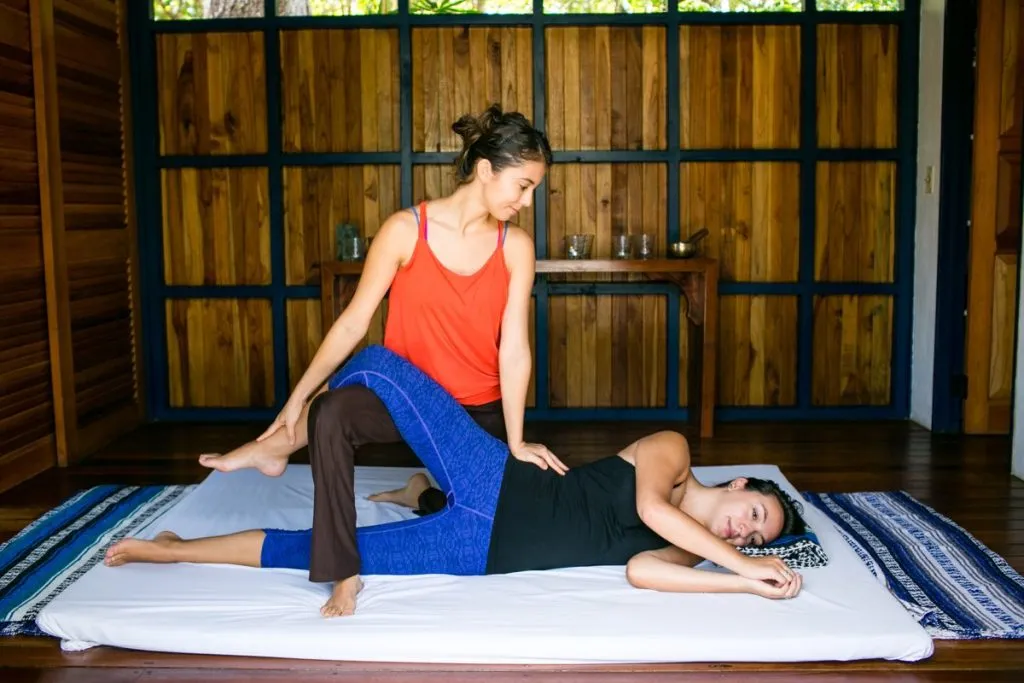
Thai massage involves the therapist using their hands, elbows, knees, and feet to apply pressure and perform assisted stretches on the recipient’s body. The recipient remains fully clothed during the session, usually wearing loose and comfortable clothing.
Yoga-Like Stretches
Thai massage incorporates passive stretching movements that resemble yoga postures. These stretches aim to improve flexibility, increase range of motion, and promote energy flow throughout the body.
Sen Energy Lines
Thai massage focuses on the concept of sen energy lines, similar to the meridians in traditional Chinese medicine. The therapist applies pressure along these energy lines to stimulate and balance the flow of energy.
Benefits
Thai massage offers several benefits, including:
- Improved Flexibility: The stretching movements in Thai massage help lengthen and stretch muscles, improving flexibility and joint mobility.
- Energy Flow: By working on the sen energy lines, Thai massage aims to restore balance and improve the flow of energy throughout the body.
- Stress Relief: Thai massage incorporates deep pressure and rhythmic movements, promoting relaxation and reducing stress.
- Pain Relief: The combination of stretching and acupressure techniques can help relieve muscle tension, alleviate pain, and improve overall well-being.
Active Participation
Unlike other massage techniques, Thai massage requires the active participation of the recipient. They may be guided to perform breathing exercises or move their body in coordination with the therapist’s assistance.
Conclusion
Spa massage is a therapeutic art that offers a multitude of techniques, benefits, and variations to cater to individual needs. In this blog post, we explored the fundamental techniques of spa massage, including Swedish massage, deep tissue massage, hot stone massage, and Thai massage.
Swedish massage provides relaxation and improved circulation through its gentle strokes and kneading techniques. Deep tissue massage targets deeper muscle layers for pain relief, muscle rehabilitation, and improved posture. Hot stone massage utilizes heated stones to promote deep relaxation, increased circulation, and tension release. Thai massage combines stretching, acupressure, and energy work to enhance flexibility, energy flow, and stress reduction.